Avoiding Common German Grammar Mistakes: A Comprehensive Guide
Are you struggling with the intricacies of German grammar? You're not alone, as many learners make common German grammar mistakes that can hinder their progress.
Table of Contents
Introduction to German Grammar Mistakes
Mastering German grammar is essential for effective communication in the language. Whether you are a beginner or have advanced skills, understanding the intricacies of grammar can significantly enhance your ability to express thoughts clearly and accurately. Deutsche Welle – Learn German
Many learners encounter common German grammar mistakes that can hinder their progress. These mistakes often stem from differences between German and other languages, leading to confusion in areas such as:
- Word Order: The position of verbs and nouns can drastically change meanings.
- Cases: Misusing nominative, accusative, dative, and genitive cases is a frequent challenge.
- Gender Articles: Incorrect usage of der, die, and das can lead to misunderstandings.
- Verb Conjugation: Neglecting to conjugate verbs correctly is another common error.
By identifying these typical pitfalls, learners can focus on improving their skills. It’s crucial to recognize that making mistakes is a part of the learning process. As
“Mistakes are proof that you are trying.”
This insight emphasizes the importance of perseverance in language acquisition.
In the following sections, we will provide practical solutions and tips to help you avoid these common mistakes. By implementing these strategies, you can refine your understanding of German grammar and communicate more effectively.
Mistake 1: Confusing Noun Gender
One of the most challenging aspects of German grammar is mastering noun genders. In German, every noun is categorized as either masculine, feminine, or neuter. This classification determines the articles used: der for masculine, die for feminine, and das for neuter. Misusing these articles is a typical error that learners encounter.
- Masculine: der Tisch (the table)
- Feminine: die Lampe (the lamp)
- Neuter: das Buch (the book)
Common errors often arise from assumptions based on the English language. For instance, learners may mistakenly think that all nouns ending in a certain letter belong to the same gender. However, this is not the case in German.
“Understanding and memorizing noun genders is crucial for fluency in German. The articles influence the structure of sentences, making accuracy essential.” – Language Expert
To avoid the pitfalls of confusing noun genders, consider these effective strategies:
- Learn with Visual Aids: Use flashcards that include the article with the noun. For example, create a card for der Tisch, die Lampe, and das Buch.
- Group Nouns by Gender: Organize nouns into categories. This method helps reinforce the connection between the noun and its gender.
- Practice Regularly: Engage in daily exercises that require you to use the correct articles in sentences. This reinforces learning through repetition.
- Use Mnemonic Devices: Create associations or stories that relate nouns to their genders. For example, visualize a table (der Tisch) being painted blue for boys.
By applying these strategies, you can significantly reduce the occurrence of German grammar mistakes related to noun genders. Remember, consistent practice and active engagement with the language will lead to improvement over time.
Mistake 2: Incorrect Verb Conjugation
Verb conjugation is a fundamental aspect of German grammar that can often lead to confusion. Understanding the patterns for both regular and irregular verbs is essential for effective communication.
Overview of Conjugation Patterns
In German, regular verbs follow predictable conjugation patterns. Here’s a brief overview:
- Present Tense: Drop the -en ending and add the appropriate endings: -e, -st, -t, -en, -t, -en.
- Past Tense: Use the simple past or the perfect tense with the auxiliary verb haben or sein.
Irregular verbs, however, can be trickier. They often change their stem vowels in the present tense and have unique past forms. For example:


- sehen (to see): ich sehe, du siehst, er/sie/es sieht.
- gehen (to go): ich gehe, du gehst, er/sie/es geht.
Common Pitfalls with Modal Verbs
Modal verbs, such as können (can), wollen (want), and müssen (must), often cause confusion due to their specific conjugation rules. Here are some common pitfalls:
- Forgetting to adjust the main verb to its infinitive form when using a modal verb.
- Incorrectly conjugating the modal verb itself; remember that modal verbs often have irregular forms.
“Mastering verb conjugation is key to unlocking the nuances of the German language.” – Language Expert
Tips for Practicing Verb Conjugation
To avoid making German grammar mistakes related to verb conjugation, consider the following strategies:
- Flashcards: Create flashcards for different verbs and their conjugations.
- Practice Writing: Write sentences using various verbs in different tenses.
- Interactive Exercises: Use online platforms or apps that focus on verb conjugation.
- Regular Review: Revisit conjugation patterns regularly to reinforce your memory.
By applying these tips and practicing consistently, you can improve your command of verb conjugation and significantly reduce the likelihood of making German grammar mistakes. Remember, practice makes perfect!
Mistake 3: Misusing Prepositions
Prepositions in German can be particularly tricky due to their varying meanings in different contexts. Understanding how a single preposition can change the whole meaning of a sentence is crucial for mastering the language.
For instance, the preposition “in” can mean “in” or “into” depending on its use:
- In der Stadt (in the city) – indicates location.
- In die Stadt (into the city) – indicates direction.
Such nuances often lead to common prepositional errors made by learners:
- Confusing “an” and “auf” when describing locations.
- Using “mit” (with) incorrectly in phrases requiring “bei” (at).
- Misunderstanding the use of accusative versus dative cases with certain prepositions.
“Mastering prepositions is essential for fluency in German. They can change the meaning of your sentences dramatically.” – Language Expert
To avoid these pitfalls, consider these techniques for mastering German prepositions:
- Contextual Learning: Always study prepositions alongside the verbs and nouns they accompany to grasp their meaning.
- Utilize Visual Aids: Create charts or diagrams that illustrate the different meanings of prepositions in various contexts.
- Practice with Native Speakers: Engage in conversations where you can use prepositions in context, helping to reinforce your understanding.
- Use Language Apps: Leverage technology to practice preposition exercises that focus on common errors.
Additionally, try to immerse yourself in German media, such as books, podcasts, and films. This will expose you to the proper usage of prepositions in natural settings.
By recognizing the importance of prepositions and actively practicing their correct usage, you can greatly reduce the number of German grammar mistakes in your speech and writing. Remember, consistency is key to mastering these essential components of the language!
Mistake 4: Incorrect Word Order
Understanding the basics of German sentence structure is crucial for effective communication. Unlike English, German has a more flexible yet complex word order that can change the meaning of a sentence significantly.
In German, the typical sentence structure follows the Subject-Verb-Object (SVO) format, but this can vary, especially in subordinate clauses where the verb often comes at the end. For example:
- Simple Sentence: Ich liebe Schokolade. (I love chocolate.)
- Subordinate Clause: Ich weiß, dass du Schokolade liebst. (I know that you love chocolate.)
In the first sentence, the word order is straightforward. However, in the second, the verb “liebst” shifts to the end, illustrating how word order affects meaning and clarity.
“Mastering German word order is not just about following rules; it’s about understanding how word placement can alter your message.” – Language Expert
To avoid common mistakes in word order, keep these key points in mind:
- Identify the main clause and any subordinate clauses.
- Remember that in questions, the verb typically comes first.
- Practice placing time and manner expressions before the main verb.
For instance, instead of saying “Ich gehe morgen ins Kino” (I am going to the cinema tomorrow), you can say “Morgen gehe ich ins Kino” to emphasize the time. Both are correct, but the emphasis changes.
Here are some exercises to practice correct word order:
- Rearranging Sentences: Given a jumbled sentence, rearrange it into correct word order.
- Translation Practice: Translate sentences from English to German, focusing on maintaining proper structure.
- Fill in the Blanks: Complete sentences with the correct word order while ensuring proper verb placement.
By consistently practicing these exercises, you can improve your understanding of German grammar and significantly reduce the occurrence of German grammar mistakes related to word order. Always remember, clarity is key in effective communication!
Mistake 5: Ignoring Common Expressions
One of the most significant hurdles learners face in mastering German is the tendency to overlook fixed expressions and idioms. These phrases often carry meanings that extend beyond their literal translations, making them essential for fluency.
Understanding and using common expressions can enhance your conversational skills and help you sound more natural. Here are some examples of expressions that frequently confuse learners:
- Es zieht wie Hechtsuppe. – Literally means “It pulls like pike soup,” but it is used to express that it is very drafty.
- Ich verstehe nur Bahnhof. – Translates to “I only understand train station,” indicating that someone doesn’t understand anything at all.
- Das ist mir Wurst. – Means “It’s all sausage to me,” signifying indifference to a situation.
To effectively integrate these expressions into your vocabulary, consider the following resources:
- Language Apps: Applications like Duolingo and Babbel often include idiomatic phrases in their lessons.
- German Idioms Books: Books specifically focused on idioms can provide context and usage examples.
- Online Forums: Websites like Reddit or language exchange platforms allow you to ask native speakers about expressions.
“Understanding common expressions is crucial for grasping the nuances of a language. They reflect cultural insights that textbooks often miss.” – Language Expert
Incorporating these expressions into your daily practice will not only reduce the likelihood of making German grammar mistakes but also enrich your communication skills. The more you familiarize yourself with idioms, the more confident you will become in your ability to express yourself in German.
Remember, immersing yourself in the language and actively seeking out these expressions can make a considerable difference in your learning journey. Utilize the resources available to you and watch your fluency grow!
Strategies for Reducing Grammar Mistakes
To minimize German grammar mistakes, implementing effective strategies is essential. Here are some tried-and-true methods to enhance your grammatical accuracy:
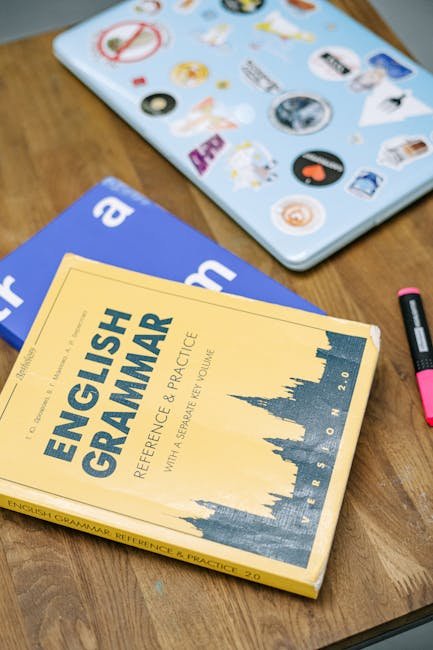
1. Consistent Practice
Regular practice is fundamental in mastering German grammar. The more you engage with the language, the more familiar you become with its rules. Here are some ways to incorporate practice into your routine:
- Set aside time each day for grammar exercises.
- Read German books, articles, or websites to see correct grammar in context.
- Write short paragraphs or journal entries in German.
2. Seek Feedback
Feedback from teachers or peers can provide valuable insights into your grammatical usage. Consider the following approaches:
- Join a language exchange group to practice speaking with native speakers.
- Submit your writing to a tutor for correction.
- Engage in online forums where you can ask questions and receive constructive criticism.
3. Utilize Language Learning Apps
Technology can be a powerful ally in your language learning journey. Here are a few resources that can help:
- Duolingo: Offers interactive lessons focusing on grammar and vocabulary.
- Babbel: Provides tailored courses with an emphasis on practical language skills.
- Memrise: Engages users with spaced repetition for better retention of grammar rules.
“Consistent practice and constructive feedback are the cornerstones of mastering any language.” – Language Expert
By incorporating these strategies into your learning routine, you can significantly reduce the incidence of German grammar mistakes and build a solid foundation for fluency.
Conclusion: Embracing the Learning Curve
As we conclude our exploration of common German grammar mistakes, it’s essential to recognize the importance of avoiding these pitfalls. Each error is not merely a setback but an opportunity to learn and improve your command of the language.
Staying motivated can be challenging, especially when faced with the intricacies of German grammar. However, remember that every learner encounters difficulties along the way. Embrace these challenges as part of your journey. Celebrate small victories, and keep pushing forward!
Final Tips for Continued Grammar Improvement
- Practice Regularly: Set aside time each day to focus on grammar exercises.
- Seek Feedback: Engage with native speakers or language tutors who can provide constructive criticism.
- Utilize Resources: Explore online platforms, apps, and books dedicated to German grammar.
- Immerse Yourself: Listen to German music, watch films, and read books to see grammar in context.
- Stay Patient: Mastering German grammar is a gradual process that requires time and perseverance.
“The journey of learning a language is filled with both challenges and triumphs. Embrace each step!” – Language Expert
In conclusion, by maintaining a positive outlook and actively working to correct German grammar mistakes, you can enhance your language proficiency. Keep these tips in mind as you continue your studies, and remember that every effort you make brings you closer to fluency.
Key Takeaways
- Understanding noun gender is crucial for correct article use.
- Mastering verb conjugation can enhance sentence structure.
- Prepositions often have different meanings, requiring careful study.
- Word order in German sentences can change meaning dramatically.
- Regular practice and feedback can significantly reduce mistakes.
Frequently Asked Questions
What are some common German grammar mistakes?
Common mistakes include confusing noun genders, incorrect verb conjugation, misusing prepositions, and errors in word order.
How can I avoid making German grammar mistakes?
Regular practice, seeking feedback, and using language learning resources can help reduce mistakes.
Why is mastering German grammar important?
Mastering grammar is essential for clear communication and understanding nuances in the language.