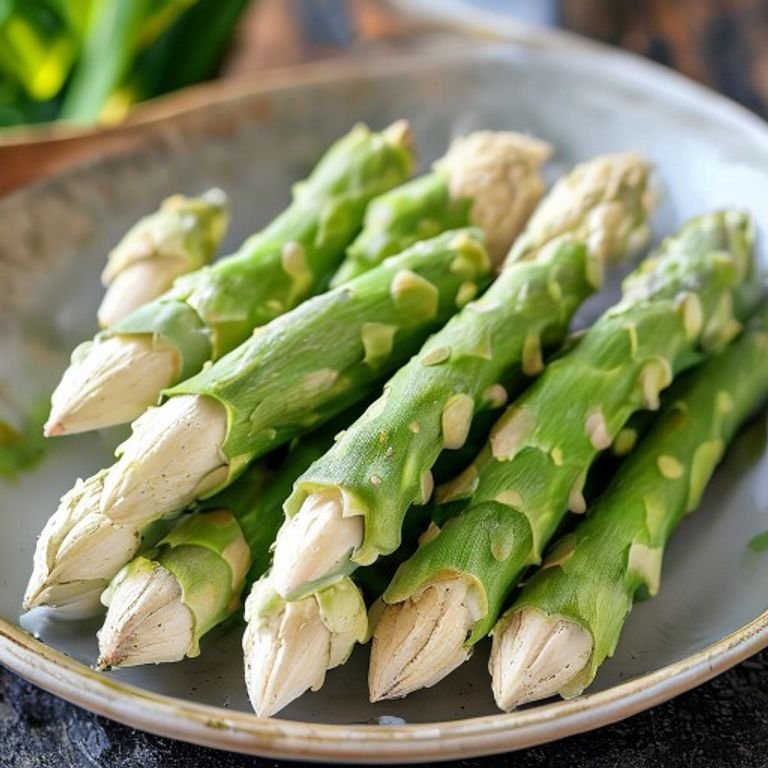
Spargelzeit Germany: Inside the Cultural Obsession with White Asparagus Season
Why does a nation of 83 million people annually halt dinner conversations to celebrate the harvest of a pale, subterranean vegetable with the reverence usually reserved for religious holidays?
Table of Contents
- What is Spargelzeit? Defining Germany’s ‘White Gold’ Season
- From Field to Feast: The Labor-Intensive Art of Cultivation
- Regional Powerhouses: Protected Designations and Terroir
- Culinary Rituals: Preparation, Pairings, and Protocol
- Cultural Mania and Economic Powerhouse
- Modern Challenges: Climate Change and Global Markets
What is Spargelzeit? Defining Germany’s ‘White Gold’ Season
Spargelzeit Germany designates the sacred annual window when white asparagus reigns supreme over the nation’s tables. Officially spanning April through June 24th—St. John’s Day (Johannistag)—this precisely measured season lasts merely 8-10 weeks, creating intense anticipation throughout the country. Germany’s devotion to white asparagus
The tradition germinated within 17th-century aristocratic courts, where nobility buried emerging spears under earthen mounds to block sunlight. This painstaking cultivation prevented chlorophyll development, yielding the pale, tender stalks that symbolized luxury and refined taste among European elite.
- Königsgemüse (“King of Vegetables”): White asparagus commands regal reverence and premium pricing across German gastronomy.
- Spring’s Cultural Marker: The season’s arrival triggers regional festivals, roadside farm stands, and specialized restaurant menus nationwide.
- Culinary Ritual: Traditional preparations involve boiling spears and serving with hollandaise sauce, Black Forest ham, and new potatoes.
“Spargelzeit transcends agriculture—it represents a collective cultural breath that ushers in spring.”
Crucially, Spargelzeit distinguishes itself from mere harvest periods through its artificial scarcity and cultural choreography. While cultivation could technically continue beyond June 24th, the strict deadline preserves exclusivity.
This finite timeframe transforms a vegetable into a temporal luxury that Germans anticipate months in advance. Families mark calendars, restaurants curate special menus, and entire regions coordinate celebrations around the fleeting availability of “white gold.”
From Field to Feast: The Labor-Intensive Art of Cultivation
The cultivation of Spargel represents one of agriculture’s most meticulous undertakings. Unlike its green counterpart, white asparagus demands total subterranean isolation to prevent photosynthesis and color development.
German farmers construct elaborate Hügel—ridges of mounded soil reaching up to 25 centimeters high—that completely entomb developing spears. This earthen barrier blocks every trace of sunlight, inhibiting chlorophyll production while preserving the vegetable’s signature ivory complexion and tender texture.
The Daily Race Against Time
Harvesting occurs with military precision. Spears must be cut before they pierce the surface, where even brief sun exposure turns them purple or green, instantly degrading market value.
- Pre-dawn operations: Teams often begin at 4:00 AM to capture spears at optimal tenderness before temperatures rise
- Artificial illumination: Workers wear headlamps to navigate rows during nocturnal harvests, maintaining absolute darkness around the crop
- Immediate cooling: Cut spears travel from field to hydro-cool
